
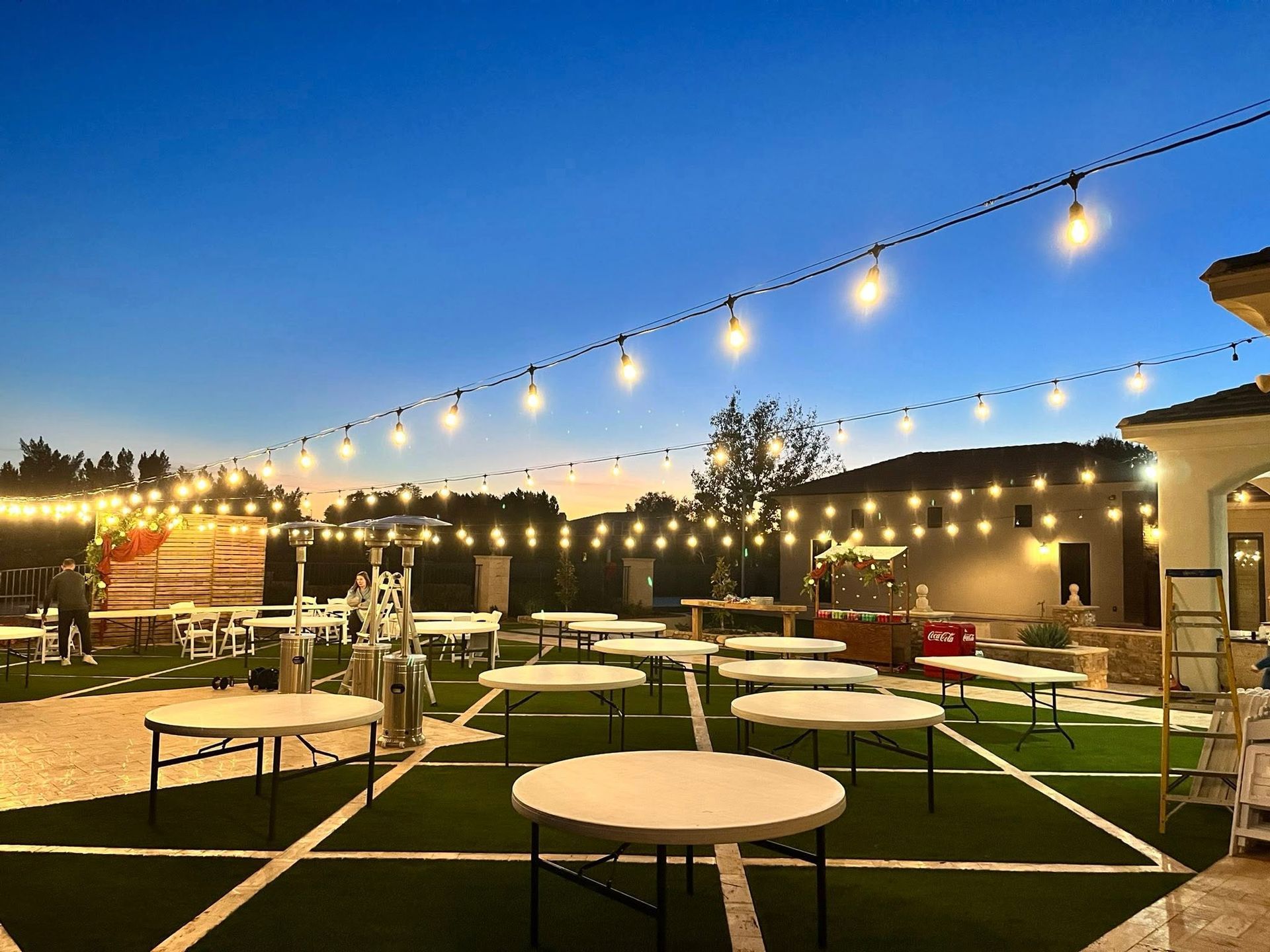
Properties That Remain Visible After Hours
Commercial Lighting Solutions in Mesa for buildings where nighttime appearance affects customer perception and property security
Retail centers, office complexes, restaurants, and hospitality properties rely on exterior lighting to maintain visibility, guide traffic flow, and communicate professional presentation once daylight ends. Desert Glow Lighting & Misting develops commercial lighting systems that address signage illumination, building facades, parking areas, and landscaped perimeters with designs aligned to each property's operational hours and branding standards. Effective lighting means customers locate entries without confusion, properties stand out along busy corridors, and security concerns related to dark zones decrease measurably.
Commercial installations require coordination with existing electrical infrastructure, attention to municipal lighting ordinances, and fixture selections that withstand constant operation and environmental exposure. Systems address both functional needs—such as illuminating walkways and building numbers—and aesthetic goals like highlighting architectural detail or creating inviting gathering spaces. Planning accounts for light pollution restrictions, energy consumption targets, and maintenance access for eventual bulb replacement or fixture cleaning.
Arrange an on-site evaluation to review current visibility gaps and discuss lighting priorities for your commercial property in Mesa, Peoria, Scottsdale, and surrounding areas.
How Commercial Lighting Addresses Visibility and Presentation
Commercial systems integrate multiple fixture types: wall-mounted units for building faces, bollard lights for pedestrian pathways, spotlights for signage and architectural features, and overhead canopy lighting for covered entries. Each fixture type serves a distinct function, and overlap between coverage zones ensures no dark pockets remain where customers hesitate or security concerns emerge. Beam angles and color temperatures are selected based on the surfaces being illuminated and the property's intended atmosphere—warmer tones for hospitality, neutral whites for retail clarity.
Properties gain consistent nighttime presence once lighting is operational: building signage becomes readable from passing traffic, entries appear welcoming rather than obscured, and landscape investments remain visible rather than disappearing into shadow. Parking areas provide clear sightlines to vehicles and building access points, reducing incidents related to poor visibility. The property projects an active, maintained appearance even during closed hours, which deters vandalism and signals ongoing management attention.
Commercial projects often involve phased installation to minimize disruption during business hours, and systems include control options like timers, photocells, or networked management that adjusts operation based on seasonal daylight shifts or special events requiring extended illumination.
Answers to Frequent Service Questions
Commercial property managers and business owners typically ask about installation timelines, system reliability, and how lighting choices affect both appearance and operating costs.
Desert Glow Lighting & Misting handles project planning with attention to operational continuity and long-term system performance. Contact our team to discuss your property's lighting needs and schedule a consultation that addresses your specific business environment.
What types of properties benefit from commercial lighting upgrades?
Retail centers gain improved storefront visibility, office buildings address parking lot safety and after-hours security, restaurants extend patio usability, and hospitality properties create inviting exterior atmospheres that influence guest arrival impressions.
How are lighting plans customized for different businesses?
Plans account for operational hours, branding colors, architectural styles, and specific visibility challenges—a restaurant patio requires different fixtures and placement than a multi-tenant office building or a hotel entrance canopy.
What happens during the installation process?
Installation involves mounting fixtures to building surfaces or landscape areas, running conduit and wiring to electrical sources, integrating control systems, and conducting night testing to verify coverage and adjust angles before final completion.
How does Mesa's climate affect commercial fixture selection?
Arizona's intense sun exposure, dust storms, and occasional heavy rain require fixtures with UV-resistant housings, sealed electrical connections, and corrosion-resistant finishes that maintain performance despite constant environmental stress.
What's included in ongoing maintenance for commercial systems?
Maintenance typically covers bulb replacement as needed, fixture cleaning to remove dust and debris that reduces output, adjustment of timers for seasonal daylight changes, and inspection of connections to prevent outages.